



DNA/RNA Synthesis
RNA synthesis, which is also called DNA transcription, is a highly selective process. Transcription by RNA polymerase II extends beyond RNA synthesis, towards a more active role in mRNA maturation, surveillance and export to the cytoplasm.
Single-strand breaks are repaired by DNA ligase using the complementary strand of the double helix as a template, with DNA ligase creating the final phosphodiester bond to fully repair the DNA.DNA ligases discriminate against substrates containing RNA strands or mismatched base pairs at positions near the ends of the nickedDNA. Bleomycin (BLM) exerts its genotoxicity by generating free radicals, whichattack C-4′ in the deoxyribose backbone of DNA, leading to opening of the ribose ring and strand breakage; it is an S-independentradiomimetic agent that causes double-strand breaks in DNA.
First strand cDNA is synthesized using random hexamer primers and M-MuLV Reverse Transcriptase (RNase H). Second strand cDNA synthesis is subsequently performed using DNA Polymerase I and RNase H. The remaining overhangs are converted into blunt ends using exonuclease/polymerase activity. After adenylation of the 3′ ends of DNA fragments, NEBNext Adaptor with hairpin loop structure is ligated to prepare the samples for hybridization. Cell cycle and DNA replication are the top two pathways regulated by BET bromodomain inhibition. Cycloheximide blocks the translation of mRNA to protein.
DNA/RNA Synthesis Isoform Specific Products
All Product Categories
-
DNA/RNA Synthesis Inhibitors
(1445)
View all products
-
DNA/RNA Synthesis Agonists
(11)
View all products
-
DNA/RNA Synthesis Antagonists
(2)
View all products
-
DNA/RNA Synthesis Activators
(52)
View all products
-
DNA/RNA Synthesis Modulators
(34)
View all products
-
DNA/RNA Synthesis Chemicals
(20)
View all products
-
DNA/RNA Synthesis Inducers
(15)
View all products
-
DNA/RNA Synthesis Degraders
(5)
View all products
-
DNA/RNA Synthesis Controls
(5)
View all products
-
DNA/RNA Synthesis Substrates
(6)
View all products
-
DNA/RNA Synthesis Ligands
(5)
View all products
-
DNA/RNA Synthesis Related Products (2892)
Related Products (2892)

-
Antibodies (248)
-
DNA/RNA Synthesis Isoform Comparison
-
Lincomycin hydrochloride
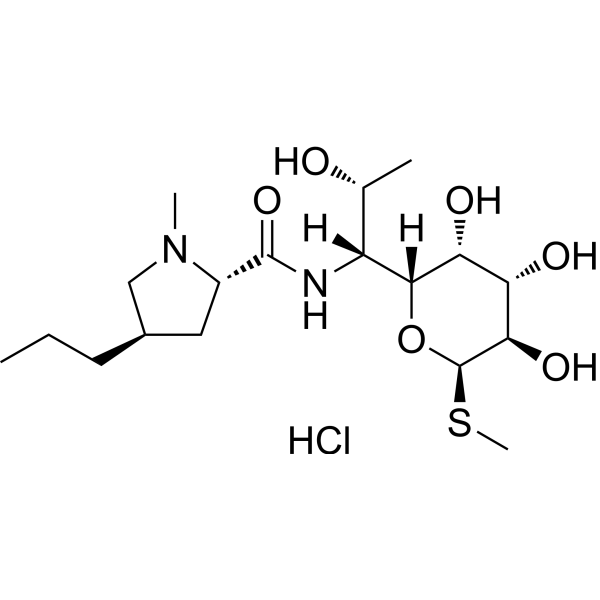 0 ImagesLincomycin hydrochloride (U10149A) is an orally active lincosamide antibiotic. Lincomycin hydrochloride binds to the ribosomes of Gram-positive bacteria to inhibit protein synthesis. Lincomycin hydrochloride can inhibit chloroplast translation, disrupt chloroplast integrity, and activate chloroplast-to-nucleus retrograde signaling in Arabidopsis thaliana seedlings. Lincomycin hydrochloride induces alterations in lipid profiles and liver injury, disrupts blood glucose and insulin levels, and increases growth rate in mice.
-
Synucleozid hydrochloride
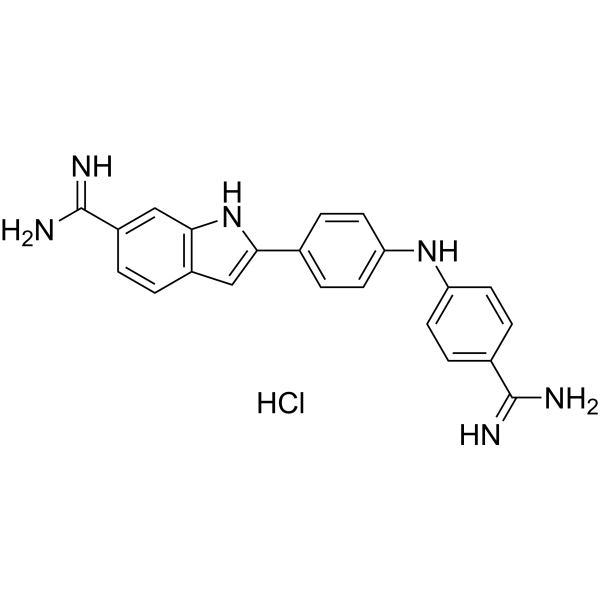 0 ImagesSynonyms: NSC 377363 hydrochlorideSynucleozid hydrochloride (NSC 377363 hydrochloride) is a potent inhibitor of the?SNCA?mRNA?that encodes α-synuclein protein. Synucleozid selectively?targets the?α-synuclein?mRNA 5′ UTR at the designed IRE site, decreases the amount of?SNCA?mRNA loaded into polysomes and thereby inhibits?SNCA?translation. Synucleozid has the potential for the investigation of Parkinson’s disease.
-
Fludarabine triphosphate trisodium
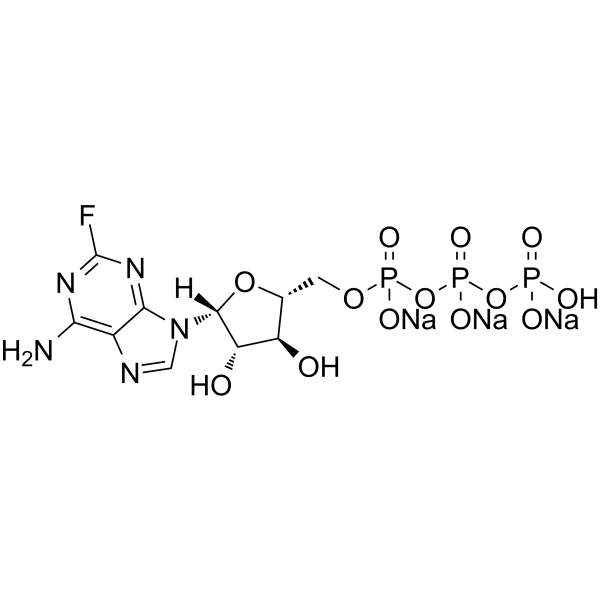 0 ImagesCat. No.: HY-136650APurity: 99.93%Synonyms: F-ara-ATP trisodiumFludarabine triphosphate (F-ara-ATP) trisodium, the active metabolite of Fludarabine (HY-B0069), is a potent, noncompetitive and specific inhibitor of DNA primase, with an IC50 of 2.3 μM and a Ki of 6.1 μM. Fludarabine triphosphate trisodium inhibits DNA synthesis by blocking DNA primase and primer RNA formation. Fludarabine triphosphate trisodium inhibits ribonucleotide reductase and DNA polymerase and ultimately leads to cellular apoptosis.
-
BCH001
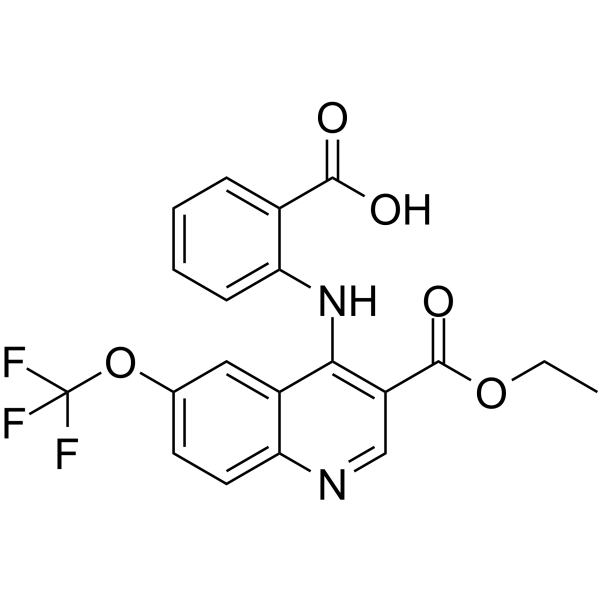 0 ImagesBCH001, a quinoline derivative, is a specific PAPD5 inhibitor. BCH001 restores telomerase activity and telomere length in dyskeratosis congenita (DC) induced pluripotent stem cells. BCH001 shows no inhibition of poly(A)-specific ribonuclease (PARN) or several other canonical and non-canonical polynucleotide polymerases. BCH001 is used to regulate aging.
-
CHD1Li 6.11
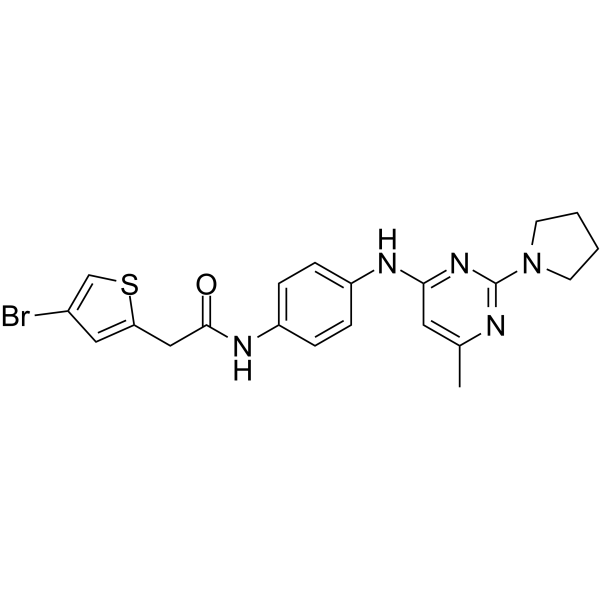 0 ImagesCHD1Li 6.11 is a potent and orally active Chromodomain Helicase DNA Binding Protein 1 Like (CHD1L) (oncogenic gene) inhibitor (IC50 = 3.3 µM for cat-CHD1L recombinant protein). CHD1Li 6.11 can inhibit EMT, induce mesenchymal-epithelial transition (reverse EMT) and promote apoptosis in tumor organoid models. CHD1Li 6.11 can be used for the research of cancer, such as colorectal cancer.
-
Antipain dihydrochloride
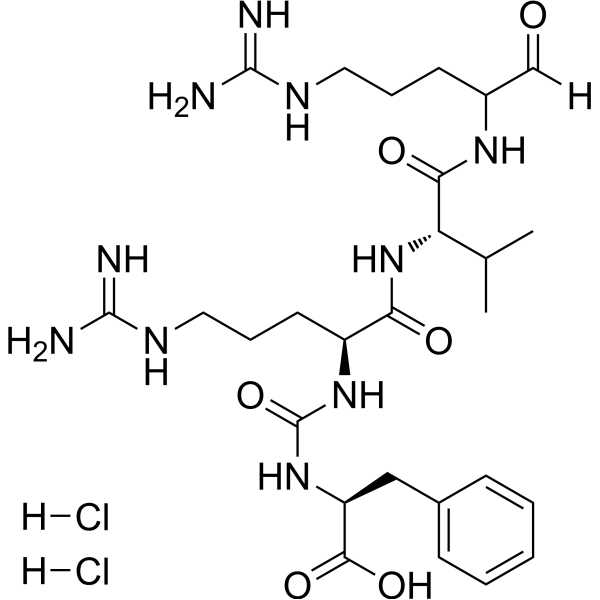 0 ImagesAntipain dihydrochloride is a protease inhibitor isolated from Actinomycetes. Antipain dihydrochloride inhibits N-methyl-N'-nitro-N-nitrosoguanidine (MNNG)-induced transformation and increases chromosomal aberrations. Antipain dihydrochloride restricts uterine DNA synthesis and function in mice.
-
Enoxacin hydrate
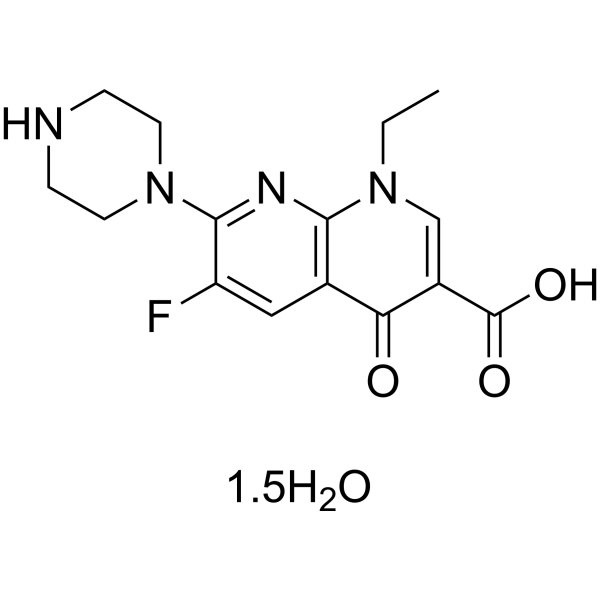 0 ImagesSynonyms: Enoxacin sesquihydrate; AT-2266 hydrate; CI-919 hydrateEnoxacin hydrate (Enoxacin sesquihydrate), a fluoroquinolone, interferes with DNA replication and inhibits bacterial DNA gyrase (IC50=126 µg/ml) and topoisomerase IV (IC50=26.5 µg/ml). Enoxacin hydrate is a miRNA processing activator and enhances siRNA-mediated mRNA degradation and promotes the biogenesis of endogenous miRNAs. Enoxacin hydrate has potent activities against gram-positive and -negative bacteria. Enoxacin hydrate is a cancer-specific growth inhibitor that acts by enhancing TAR RNA-binding protein 2 (TRBP)-mediated microRNA processing.
-
Phleomycin
 0 ImagesCat. No.: HY-126490CAS No.: 11006-33-0Phleomycin is a copper-dependent DNA damaging agent and antibiotic with antitumor activity. Phleomycin binds to DNA and produces ROS in the presence of reducing agents (such as dithiothreitol and glutathione), inducing single-strand and double-strand breaks in DNA. Phleomycin can induce cell apoptosis or mutation and is widely used in cancer inhibition, microbial genetic transformation (as a screening marker to improve fungal transformation efficiency) and DNA repair mechanism research.
-
Eupalinolide A
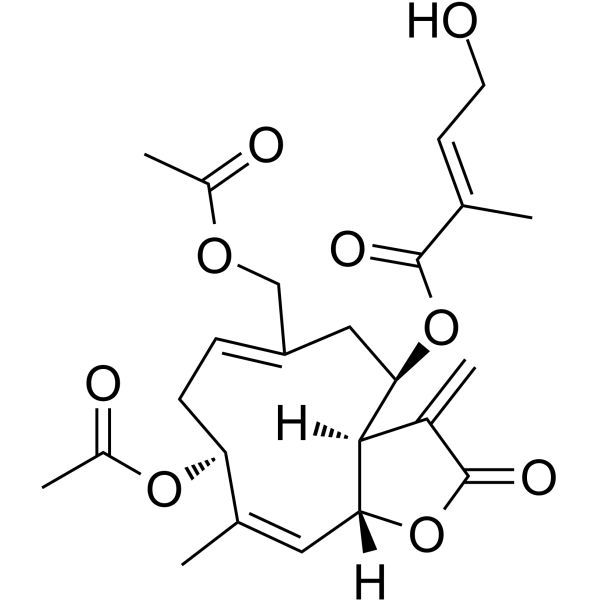 0 ImagesEupalinolide A is a Yes-associated protein (YAP) degrader and HSP70 inducer. Eupalinolide A inhibits osteogenic differentiation of tendon-derived stem cells (TDSCs). Eupalinolide A induces autophagy in hepatocellular carcinoma cells via activating the ROS/ERK signaling pathway. Eupalinolide A protects PAM212 cells from UVB-, Menadione (HY-B0332)-, or heat shock-induced apoptosis. Eupalinolide A alleviates trauma-induced heterotopic ossification (HO) of Achilles tendon and inhibits growth of MHCC97-L and HCCLM3 hepatocellular carcinoma xenograft tumors in mice. Eupalinolide A can be used for the study of traumatic heterotopic ossification of tendons and hepatocellular carcinoma.
-
γ-Amanitin
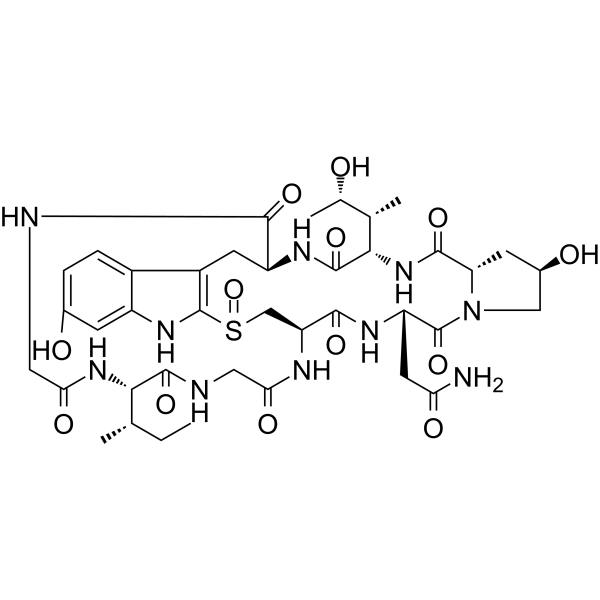 0 ImagesCat. No.: HY-131081CAS No.: 21150-23-2γ-Amanitin an ADC cytotoxin and isolated from the mushroom. γ-Amanitin inhibits RNA polymerase II and disrupts synthesis of mRNA. γ-Amanitin shows similar effects to α-Amanitin and β-Amanitin. γ-Amanitin competitively binds to monoclonal antibody (mAb), with an IC50 of 163.1 ng/mL. γ-Amanitin is toxic to a variety of cells.
-
RECQL5-IN-1
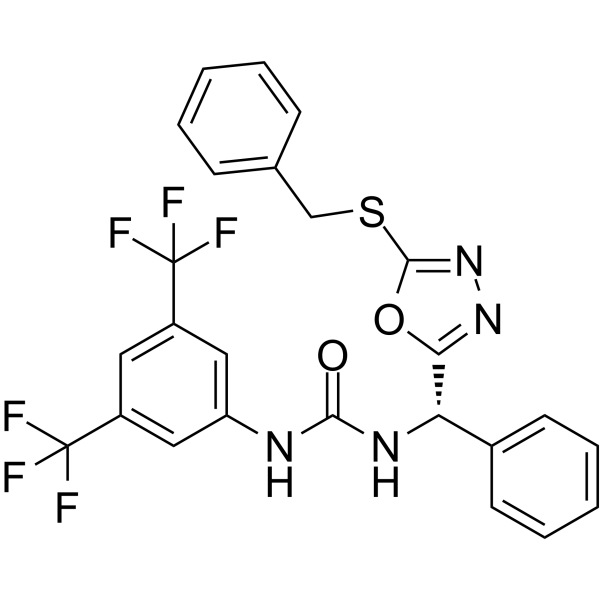 0 ImagesRECQL5-IN-1 (Compound 4a) acts as an orally effective RECQL5 inhibitor (targeting both enzymatic and nonenzymatic domain). RECQL5-IN-1 is a potent inhibitor of RECQL5 helicase activity (IC50=46.3 nM), stabilizes the interaction between RECQL5-RAD51 proteins, causes RAD51 aggregation and homologous recombination repair (HRR) inhibition, thereby exhibiting selective cytotoxicity in RECQL5-expressing cancer cells.
-
NSC12
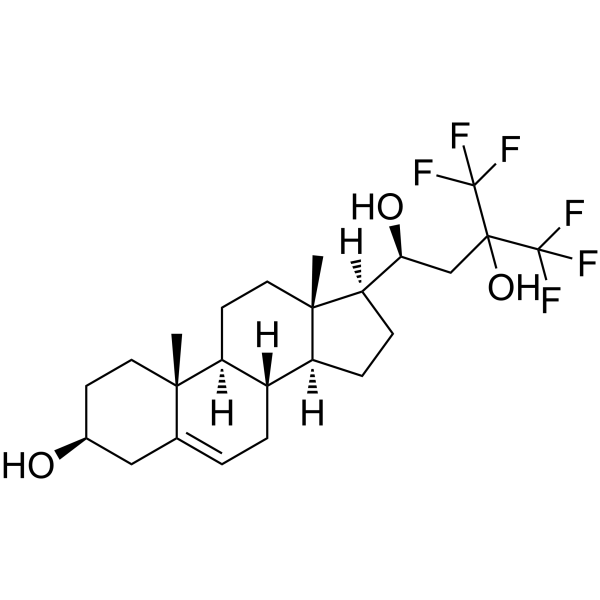 0 ImagesCat. No.: HY-107194CAS No.: 102586-30-1NSC12 is an orally active pan-FGF trap. NSC12 inhibits the interaction between FGF2/FGFR. NSC12 suppresses the phosphorylation of FGFR3. NSC12 reduces c-Myc levels, induces DNA damage, triggers the cleavage of Caspase 3, and promotes ROS production. NSC12 exhibits anticancer activity against lung cancer and multiple myeloma.
-
Nevadensin
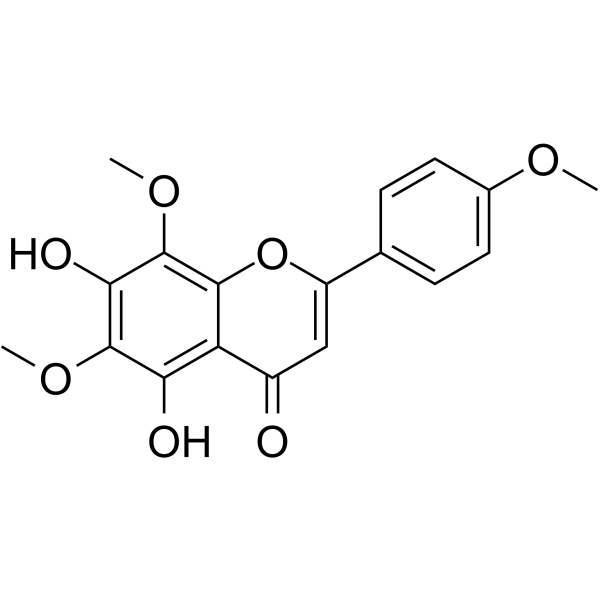 0 ImagesSynonyms: LysionotinNevadensin (Lysionotin), a natural flavonoid, is a selective human carboxylesterase 1 (hCE1) inhibitor with an IC50 of 2.64 μM. Nevadensin is more selective for hCE1 than hCE2 (IC50 of 132.8 μM). Nevadensin can induce apoptosis and DNA damage in cancer cells. Nevadensin has a variety of pharmacological effects such as anti-inflammatory, anti-tumour, anti-hypertensive, anti-tubercular, antitussive, antioxidant and anti-microbial activities.
-
CTPS1-IN-1
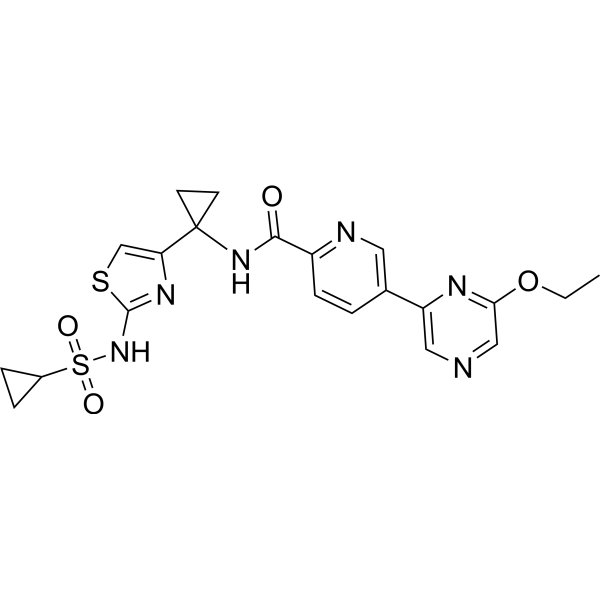 0 ImagesCat. No.: HY-157746CAS No.: 2341943-12-0CTPS1-IN-1 (compound R80) is a CTPS1 inhibitor. CTPS1-IN-1 has the potential to research cancer (such as promoting vascular injury or surgical recovery) and immune system diseases (such as rejection of transplanted cells and tissues, transplant-related diseases or disorders, allergies, and autoimmune diseases).
-
Anticancer agent 73
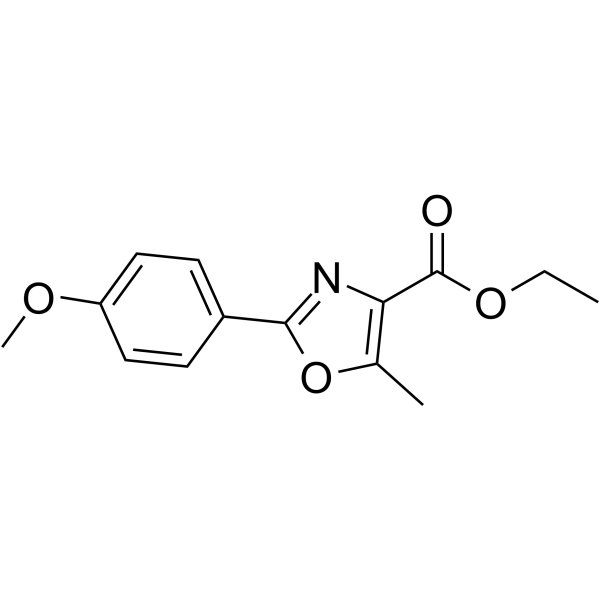 0 ImagesAnticancer agent 73 (compound CIB-3b) is a anticancer agent, potently targeting TAR RNA-binding protein 2 (TRBP) and disrupts its interaction with Dicer. Anticancer agent 73 can rebalance the expression profile of oncogenic or tumor-suppressive miRNAs. Anticancer agent 73 suppresses the proliferation and metastasis of HCC in vitro and in vivo.
-
Ribonuclease T1, Aspergillus oryzae
 0 ImagesRibonulease T1, Aspergillus oryzae (Rnase T1), is commonly used in biochemical research. Ribonuclease T1 is an endonuclease that can specifically degrade single stranded RNA. Ribonuclease T1 can form nucleoside 2 ', 3 '-cyclic phosphoric acid intermediates to cut the phosphodiester bond between 3' -guanosine residues and adjacent nucleoside 5 '-OH groups to produce 3' -GMP terminal oligonucleotides.
-
Folic acid disodium
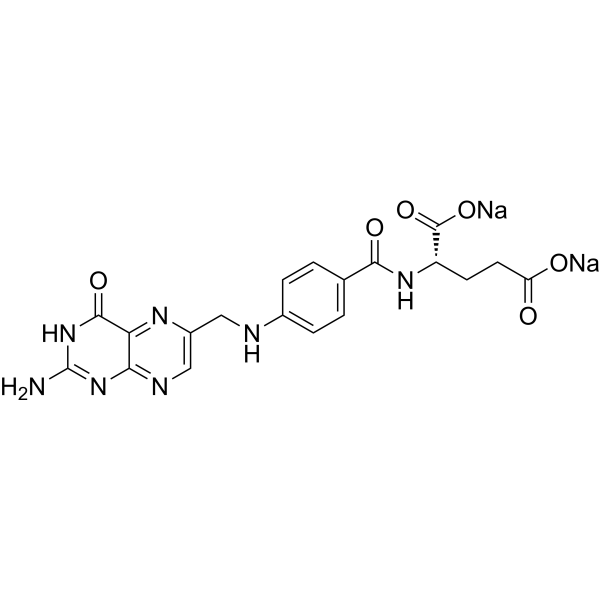 0 ImagesSynonyms: Vitamin B9 disodium; Vitamin M disodiumFolic acid disodium (Vitamin B9 disodium; Vitamin M disodium) is an orally active disodium salt form of Folic acid (HY-16637) with an intrinsic dissolution rate (IDR) of 4.96·105 g/s. Folic acid disodium serves as cofactor in single-carbon transfer reactions and exhibits protective effects against neural tube defects, ischemic events, and cancer. Folate acid disodium overload leads to impaired brain development in embryogenesis and promotes growth of precancerous altered cells. Folic acid deficiency leads to megaloblastic anemia.
-
Carboplatin (Standard)
 0 ImagesSynonyms: NSC 241240 (Standard)Carboplatin (Standard) is the analytical standard of Carboplatin. This product is intended for research and analytical applications. Carboplatin (NSC 241240) is a DNA synthesis inhibitor which binds to DNA, inhibits replication and transcription and induces cell death. Carboplatin (NSC 241240) is a derivative of CDDP and a potent anti-cancer agent.




